

News & Updates
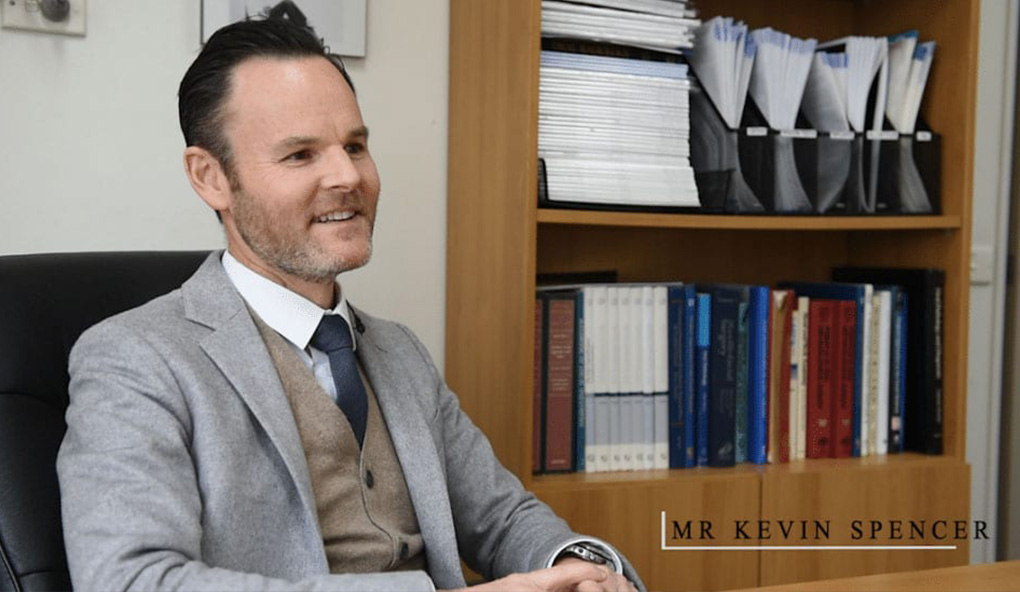
As a consultant in the Department of Oral and Maxillofacial Surgery at the Royal Melbourne Hospital and a practising surgeon at OMFS, Mr Kevin Spencer is a passionate and experienced member of our team.
At OMFS, we pride ourselves on a team who are highly qualified and dedicated to providing top quality care to each of our patients. Mr Kevin Spencer works full time in private practice in oral and maxillofacial surgery. Read on to find out about his qualifications and special interests.
The early years
Mr Kevin Spencer completed his MBChb in 1991 from the University of Auckland in 1991 before obtaining his BDSc from the University of Melbourne in 1997. Following these qualifications, Kevin completed his Master’s degree in Oral and Maxillofacial Surgery at the University of Melbourne in 2000. Later in the same year, he successfully completed the FRACDS OMS examination, after which he became a full fellow of the RACDS section of Oral and Maxillofacial Surgery.
Work experience
After Kevin completed his training, he went on to become a clinical and research fellow at the University of Minnesota and then staff surgeon in Oral and Maxillofacial Surgery at the Hennepin County Medical Centre.
Kevin is currently a consultant in the Department of Oral and Maxillofacial Surgery at the Royal Melbourne Hospital, as well as a surgeon at our practice.
Special interests
Kevin has a number of special interests, which include:
Dentoalveolar surgery
Dentoalveolar surgery refers to a group of procedures most often performed by oral and maxillofacial surgeons. These include routine procedures like exposure of teeth, surgical removal of teeth and wisdom tooth surgery.
Tooth exposure surgery is performed to ensure the correct eruption of teeth, and is often recommended in cases where teeth have failed to properly erupt. To find out exactly what this procedure involves, please have a look here.
Surgical removal of teeth may be necessary for a number of reasons. Some of the most common reasons include disease, decay, trauma, crowding and impacted teeth. To find out what this type of surgery involves, please have a look here.
Wisdom teeth removal is another common dentoalveolar surgery, and is often recommended in cases where wisdom teeth have become impacted. To find out how the procedure works and other reasons it may be performed, please have a look here.
Orthognathic surgery
Kevin has a special interest in orthognathic surgery, also known as corrective jaw surgery. This type of surgery is extremely helpful in improving a patient’s ability to chew and speak, and can also have a number of functional and aesthetic benefits. By means of orthognathic surgery, a number of issues can be resolved, including jaws that are too large, too small, too far forward, too far back, or crooked.
One of the procedures Kevin is able to perform is an upper jaw expansion procedure. The surgery is performed in order to treat a particularly narrow jaw prior to orthodontic treatment. For this reason, upper jaw expansion surgery typically forms part of an orthodontic treatment plan.
Upper jaw expansion surgery, also known as Surgically Assisted Maxillary Expansion (SAME) can be performed on patients with a crossbite, crooked teeth or crowded teeth due to a narrow jaw. To find out more about what the surgery involves, please have a look here.
Complex implantologya
Implantology is among Kevin’s special interests in the field of oral surgery. As such, he is highly experienced in placing dental implants, even in complex situations. Some of the treatments he provides include bone and soft tissue grafting, dental implant surgery, implant-supported dentures, All-On-4 implants, and zygomatic dental implants.
Dental implants have become an important part of modern dentistry with a number of benefits. In fact, they can effectively restore both form and function and look and feel just like natural teeth. One of the main benefits of dental implants is that they are able to maintain bone structure and support the facial tissues, reducing or even eliminating bone atrophy in the face.
To find out more about dental implants, please take a look here.
If you would like to arrange a consultation with Mr Kevin Spencer, please don’t hesitate to get in touch.

With many years of experience as an oral and maxillofacial surgeon, Associate Professor Stephen Gibbons has a number of special interests.
Oral and maxillofacial surgeon Associate Professor Stephen Gibbons is one of our valuable team members at OMFS. Read on to find out more about his special interests, and how he may be able to help you.
Corrective jaw surgery
One of Associate Professor Stephen Gibbons’ areas of expertise is corrective jaw surgery, including procedures for cleft lips and palate deformities. Corrective jaw surgery, also known as orthognathic surgery, helps to improve a person’s ability to chew and speak. It also provides a wide range of aesthetic and functional benefits.
Corrective jaw surgery generally involves cutting the bone in order to move the jaw in the required direction. Mr Gibbons is highly experienced in this form of surgery, and always makes sure that post-operative scars are minimal. He also uses small bone plates and screws to ensure that the jaws are positioned correctly and that they remain permanently in place.
If you would like to learn more, visit the page: corrective jaw surgery.
Implantology
Associate Professor Gibbons also has a special interest in implantology, which has become a very important part of modern dentistry. Dental implants are an increasingly popular treatment for their ability to fully restore the function and aesthetics of missing teeth. They are designed to fuse with the jawbone and become a permanent fixture.
There are a number of benefits to dental implants, and Mr Gibbons is an avid advocate of the treatment. Implants look and feel just like a natural tooth and help to maintain the bone structure of the jaw. In fact, dental implants can also help to support the facial tissues, reducing or even eliminating bone atrophy, which often causes shrinkage or cosmetic changes to the face.
Bone grafting
Because of his special interest in implantology, Associate Professor Gibbons is also highly experienced in bone grafting, a process which is sometimes necessary to facilitate sufficient levels of bone and soft tissue prior to implant surgery. Without enough bone and soft tissue in the jaw, it is not possible for implants to be successfully placed.
In many cases, Associate Professor Gibbons harvests bone grafts from areas of the jaw, although it is sometimes necessary to take grafts from the hip and other areas of the body. Sometimes, Associate Professor Gibbons will choose to use other grafting materials along with the patient’s bone when it is necessary to reduce additional deterioration.
Each patient is different, so Associate Professor Gibbons will explain the process in detail before beginning your treatment. He is happy to address any questions or concerns you might have when you come in for a personal consultation.
Dentoalveolar surgery
As an oral and maxillofacial surgeon, Associate Professor Gibbons has considerable experience in dentoalveolar surgery, and one of the most common issues he addresses is wisdom teeth that require surgery. In most cases, patients require wisdom teeth surgery when wisdom teeth have become impacted.
Impacted wisdom teeth can be very painful, and if left untreated, can lead to a number of issues, including infection, tooth decay and damage to the nearby teeth and gums. Besides as a treatment for impacted wisdom teeth, surgery is also sometimes performed when disease, cysts, or tumours have affected the area around the wisdom teeth.
If you need to undergo wisdom teeth removal surgery, Associate Professor Gibbons will give you a detailed outline of post-operative instructions to ensure that your recovery is as quick and painless as possible.
To make an appointment for a consultation, get in touch.

With over 30 years of clinical experience, Professor David Wiesenfeld has a range of interests in the field of specialist oral and maxillofacial surgery.
At OMFS, we pride ourselves on our top-quality team, and each of our surgeons is dedicated to making sure that our patients receive the best possible care. Professor David Wiesenfeld is one of our valued team members. Read on to find out more about him, what he contributes to our team, and what his special interests include.
Who is Professor David Wiesenfeld?
Professor David Wiesenfeld is a specialist oral and maxillofacial surgeon. After qualifying in Dentistry at the University of Melbourne in 1976, he completed his specialist training in 1980. He then went on to train further in Glasgow and London. In 1983, Associate Professor David Wiesenfeld began practising specialist oral and maxillofacial surgery.
What are his special interests?
Associate Professor David Wiesenfeld has a special clinical interest in:
- Oral cancer care
As part of his work, Professor David Wiesenfeld often treats cancers in the face, neck and jaws. In most cases, abnormalities in these areas are caused by congenital conditions, infections, soft tissue growths and autoimmune conditions. In the case of oral cancer, there are a number of surgery types that can be performed. To find out more about these surgeries, please take a look here. - Dentoalveolar surgery
As a specialist oral surgeon, Associate Professor David Wiesenfeld has a special interest in dentoalveolar surgery, which refers to procedures associated with the maxilla or mandible (the upper or lower jaw). Dentoalveolar procedures include tooth extraction, management of impacted teeth, the placement of dental implants, and recontouring of the alveolar bone, which is the ridge of bone that contains tooth sockets and holds the teeth in place. - The management of impacted teeth
It is sometimes necessary for impacted teeth to be surgically removed; in which case an incision is made in the gum. In some cases, the bone around the tooth is also removed. Often, the impacted tooth will need to be sectioned in order to reduce damage to the nearby teeth and to conserve bone removal. To find out more about surgical tooth removal in the case of impacted teeth, take a look here. - The surgical correction of dento-facial deformity
As a specialist oral surgeon, corrective surgery forms part of Associate Professor David Wiesenfeld’s skill set. In many cases, this type of treatment takes the form of corrective jaw surgery, also known as orthognathic surgery. The procedure helps to improve both function and aesthetics — find out what it involves here. - Dental implants for the replacement of missing teeth
Dental implants have, over recent years, become an increasingly important part of modern dentistry. They provide a wide range of benefits to those with missing teeth and are both comfortable and natural in appearance. Associate Professor David Wiesenfeld has a special interest in implants and has worked with many patients to restore oral function. To find out more about dental implants and how they work, take a look here.
What else has he been involved in?
With his unique skills and experience, Professor David Wiesenfeld is currently the director of The Head and Neck Tumour Stream at The Victorian Comprehensive Cancer Centre. He has also held senior clinical appointments at The Royal Melbourne Hospital, as well as the University of Melbourne. He has also been appointed visiting professor positions at universities in Bristol, Texas, Nebraska and Cleveland.
When it comes to publications, Professor David Wiesenfeld has considerable experience. In fact, he has published more than 70 articles in scientific literature and has also contributed to four textbooks.
Ready to make an appointment? Please don’t hesitate to get in touch.

Jaw pain can be caused by a number of factors, including allergies, sinus infections, and colds.
Jaw pain can occur for a number of reasons: temporomandibular joint disorder (TMD), a teeth-grinding habit, gum disease and untreated cavities.
It is also possible to experience discomfort in the jaw and teeth when your sinuses are blocked. Sinus infections, congestion and allergies can all affect the jaw and face, often causing swelling and pain.
How do allergies affect my jaw?
If you suffer from severe seasonal allergies or a sinus infection, you may feel a dull pain in your teeth and jaw. You may also feel a build-up of pressure in the areas around your eyes and nose, which can often extend down into your jaw.
In some cases, a problem in the sinuses, such as inflammation caused by seasonal allergies, can also trigger an already existing case of TMJ. In fact, the sinuses and jaw are closely connected, and undiagnosed TMD can easily be aggravated by allergies or a sinus infection.
What is the connection between the sinuses and the jaw?
We have sinuses between our eyes, in the cheekbone and above the bridge of the nose, which means that they take up a considerable amount of space in the facial area. When the sinuses become swollen and inflamed, the pain and pressure that we feel in these areas can easily move to the jaw. This causes jaw pain, as well as headaches, earaches and general facial tenderness and discomfort.
If you suffer from allergies on a regular basis, it can be difficult to know if your sinuses are your main concern, or whether you are suffering from TMJ. In many cases, however, both of these issues play a part.
Some common symptoms of seasonal allergies and sinus inflammation include a stuffy nose, headaches, pain in the ears, a sore throat, and swelling or tenderness in the face, especially around the nose and eyes. Some of the symptoms of TMD can feel quite similar — ear pain and pressure, headaches, jaw pain, and swelling of the face can all occur.
Also, if you suffer from congestion, it is likely that you breathe through your mouth — this can lead to additional pressure on the jaw.
Should I see my dentist?
If you feel pain in your jaw, it’s always a good idea to seek professional help. This will help to rule out any underlying conditions, like problems with your jaw or oral health issues like cavities and gum disease. If, however, none of these issues are diagnosed and you are feeling congested, it is possible that you have a sinus infection or severe allergies, which could be causing you discomfort. In this case, we may refer you to a general practitioner who will be able to provide you with the appropriate treatment.
If we find that you are suffering from both TMD and allergies, we will help you manage your jaw pain. The treatment is most likely to be non-surgical, and we may consult with other healthcare practitioners to ensure you receive the most effective treatment.
If you are suffering from jaw pain, we encourage you to come in and see us. Our team is dedicated to providing the very best care for each patient, and we pride ourselves on our friendly service and high-quality treatments. Our surgeons are highly specialised and experienced, and happy to address any of your questions and concerns. To find out more about our team, please take a look here.
To find out more about the treatment and management of jaw pain, or to arrange a consultation, please don’t hesitate to get in touch.

TMJ disorder is a relatively common condition — in fact, around four in ten people experience signs of the disorder at some point in their lives. That said, only around five percent of people who have symptoms of TMJ disorder will actually ever require surgery. So, if you are suffering from facial or jaw pain, there are a number of pain relieving strategies you can try at home. Here’s what you should know about the disorder, what you can do to ease your discomfort, and how we can help…
What is TMJ, exactly?
TMJ disorders refer to a whole group of problems that affect the temporomandibular joint (TMJ), which is the joint that connects the lower jaw and the skull. TMJ disorders can cause jaw pain, as well as discomfort and tenderness in the face, and difficulty opening and closing the jaw. In many cases, the cause of these disorders is unknown, but some possible causes include degeneration of the jaw joint (such as in the case of arthritis), or trauma caused by an injury or accident. Grinding and clenching of the teeth, which is often caused by stress, can also contribute to the development of the condition. The most common symptoms of TMJ is pain in the jaw, although it is also possible to experience pain in the face and neck. Other symptoms include locking of the jaw; stiffness in the jaw; as well as a shift in the alignment of the jaw and teeth.
What can I do about it?
In many cases, jaw pain resolves itself, so if you are experiencing any discomfort there are a few strategies you can try at home. We recommend that you eat a diet of soft foods to allow your jaw to rest — try blended and mashed fruits and vegetables, and avoid snacks that are particularly hard or chewy. Also, stay away from foods that require you to stretch your mouth, like whole fruits, for example. Ice packs can be used to ease pain and reduce inflammation, while heat packs can also be helpful in reducing discomfort. There are also a number of jaw exercises that are worth trying — slow, gentle movements that work to stretch the muscles can help to increase mobility. Get in touch with us to arrange a consultation if you would like to know more about some appropriate jaw exercises. For many people who suffer from TMJ, relaxation techniques can also go a long way in relieving discomfort. Stress-relieving activities include yoga, meditation, breathing exercises, and behaviour modification therapy.
How can we help?
We will usually try non-surgical treatment options first, and we’ll begin by performing a thorough examination to evaluate the movement of your jaw. Once we have a precise diagnosis, we’ll consult with other healthcare professionals to come up with the best treatment plan for your needs. This may include changes to your diet; stress management; physiotherapy; medication; or even dental treatment, depending on the severity of your condition.
If surgery is necessary, we’ll discuss the options with you. We offer a number of surgical treatments, each of which has its own benefits. To find out about these procedures, have a look here.
If you have any questions about TMJ, and the treatments that we are able to provide, please contact us. Our team is experienced in all areas of maxillofacial surgery, and offer thorough diagnosis and treatment, as well as exceptional patient care. Each of our surgeons has their own special interest, so when you book a consultation, let us know how we can help, and we will refer you to the surgeon best suited to your case.
Want to find out more about our team? Learn about our surgeons here.
If you’re missing a tooth, you may have considered a dental implant. Implants are a highly effective solution for restoring oral function as well as enhancing the aesthetics of one’s smile. In fact, they’ve become increasingly popular and have largely replaced the need for alternatives like dentures because of their natural appearance and the fact that they are so comfortable. There are, however, some factors to consider before undergoing dental implant surgery. Read on to find out if you’re a suitable candidate…
Your gums must be healthy
Healthy gums are a very important factor when it comes to a successful dental implant procedure. In fact, you won’t be able to undergo the surgery unless your mouth is free from gum disease, because the infection causes damage to the gums and jaw bone, and can increase the risk of implant failure considerably. If you do suffer from gum disease, we will advice you on the best treatment plan to resolve the problem before we go ahead with the implant surgery.
You must have enough jawbone
In order to be a suitable candidate for dental implant surgery, it’s essential that you have enough jaw bone, because the implant will need to actually fuse with your bone. If we find that you don’t have enough jaw bone, and that the risk of failure is great as a result, we may recommend a bone or soft tissue graft. Bone and soft tissue grafting are generally completed before the dental implant surgery, although in some cases it may be done at the same time. Bone grafts are typically taken from another area of the body, often from the jaw. The grafting procedure is completed under either general or local anaesthetic, depending on the case.
You shouldn’t smoke
Smoking can cause dental implant surgery to fail because it tends to slow down the body’s natural ability to heal by restricting adequate blood flow to the gums. We highly recommend that you stop smoking at least a week before your procedure, and that you don’t smoke for at least two months following the placement of your implant.
You should be in overall good health
Being generally healthy helps us to ensure that you will be able to handle the implant surgery, as well as any potential risks and complications that could arise as a result of the procedure. Being healthy will also aid your recovery following the procedure.
It’s also important to note that some medical conditions, such as diabetes and rheumatoid arthritis could increase the risk of implant failure. Any underlying health issue that slows down the body’s ability to heal could prevent the process of osseointegration, in which the implant fuses with your jaw bone. We’ll discuss any potential issues with you at your initial consultation and determine the best course of treatment, depending on your overall health.
Implants can significantly improve the appearance of one’s smile, but there are actually a number of health and functional benefits to replacing a missing tooth. To find out exactly what a dental implant is and how the implant procedure could help you, have a look here.
At OMFS, we are able to perform dental implant surgery as well as bone and tissue grafting. Besides regular dental implants, we also offer ‘All on 4’ implants and zygomatic dental implants.
If you have a question about any of the procedures we perform, please get in touch with us. Our team of surgeons is dedicated to ensuring the very best care for each of our patients. Our surgeons are recognised as some of the best in their field, and are proud to achieve optimal results and provide friendly service.

Dental implants are an effective solution for restoring oral form and function. In fact, they have become a very important part of modern dentistry with millions of people having successfully undergone the treatment.
Are you a candidate for dental implants? Read on to find out …
- You must have healthy gums
It’s very important that you have healthy gums when undergoing a dental implant procedure. In fact, the chance of implant failure is significantly higher in patients who are at increased risk of gum disease. It’s also important that you commit to good oral hygiene once your dental implant has been placed. You will need to take care of your dental implant just like your natural teeth by brushing and flossing daily, and seeing your dentist for regular check-ups. - You should have sufficient jawbone
Dental implants work by actually fusing with the jawbone over time in a process known as osseointegration. For this reason, it is important that you have enough bone to properly anchor the implant. If, however, you don’t have sufficient levels of bone and soft tissue, it is often possible to have a grafting procedure performed either before implant surgery or at the same time as the procedure. In most cases, bone grafts are taken from other areas of the body (and most commonly from other areas of the jaw), although the patient’s bone can also be used in conjunction with other grafting materials to reduce additional deterioration. To find out more about how the grafting procedure works, have a look here. - You should be in overall good health
Although you may be able to undergo dental implant surgery even if you suffer from a chronic health condition, it’s a good idea to discuss your overall health with us before opting for the procedure. Certain conditions increase the risk of implant failure — these include autoimmune diseases like rheumatoid arthritis, lupus and type 1 diabetes. Some medications, such as those used for the treatment of osteoarthritis, can hinder the success of an implant, while infections such as those associated with gum disease can cause issues with the osseointegration process.
To find out more about dental implants, have a look here. To arrange a consultation, please contact us.
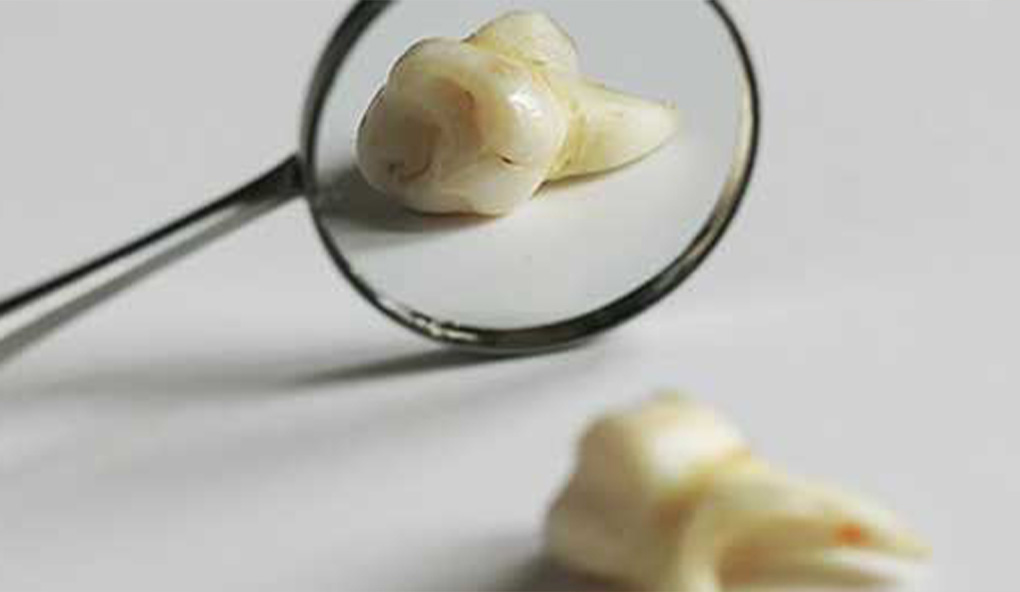
A recent study has discovered that postmenopausal women who suffer from tooth loss could be at greater risk of developing high blood pressure. Should we be concerned?
How did the study work?
The study, whose findings were published in the American Journal of Hypertension, followed 36,692 postmenopausal women annually between 1998 and 2015, covering an initial periodontal assessment through to any hypertension diagnosed at a later stage. The study looked for any link between tooth loss and risk of hypertension in the women, and found that the participants had around 20 per cent greater chance of developing high blood pressure compared with other women.
Why is there a link between tooth loss and hypertension?
There are a number of possible reasons for the link found between tooth loss and high blood pressure. According to the study, one of the possible reasons is that when people lose teeth, they are likely to adjust their diets to include softer, often more processed foods.
What do the findings mean?
The findings of the study suggest that postmenopausal women who have experienced tooth loss are at particular risk of developing high blood pressure, and as such, are at risk of suffering from a range of health issues associated with hypertension. For this reason, the researchers involved in the study suggested that good oral hygiene, as well as careful blood pressure monitoring, dietary adjustments, weight loss, and increased physical activity could all be helpful in reducing the risk of hypertension in this demographic group. Furthermore, the study suggested that tooth loss could serve as a warning sign for an increased risk of high blood pressure.
If you have suffered from tooth loss, we encourage you to come in and see us for a consultation. Thanks to advancements in the field of dentistry, dental implants are now a viable option for many people. In fact, they often serve as an effective solution by restoring oral form and function.
To find out more about dental implants and the importance of replacing a missing tooth, have a look here.
To arrange a consultation, please contact us here.

TMJ disorder is fairly common and 4 out of 10 patients will experience it during their lifetime, which is why at OMFS in Melbourne we know how important it is to treat it quickly.
TMJ refers to the temporomandibular joint, one of the most complex joints in the human body, which is where your lower jaw meets the base of your skull on either side of your head. This means that it plays a pivotal role in moving your jaw up and down, side to side and back to front and any other direction for that matter. Because of the fact that it is such a complex cog in the mechanics of your jaw, it can often be the cause of a host of problems in that area as well as your facial structure. From the 4 out of 10 sufferers of TMJ disorder, only one of those four are actually aware that their symptoms are related to TMJ Disorder. Our team of surgeons are passionate about ensuring that you receive exceptional standards of treatment and care that we hope will deliver optimal outcomes . They compassionate, friendly and combine a wealth of experience with a human touch to ensure that you feel valued and understood. Oral and Maxillofacial surgery is an incredibly specialised arm of dentistry and medicine and our surgeons are routinely recognised as some of the finest in their field. Associated with some of the most prestigious teaching hostels in Australia, our surgeons are supremely skilled at treating a wide range of oral concerns including the symptoms of TMJ disorder.
So What Causes TMJ Disorder?
The question over the direct causes of TMJ disorder can be a difficult one to answer but it is usually caused by the degeneration of the joint in your jaw or through some sort of trauma or injury. This deterioration of the joint is often the result of degenerative disorders including arthritis and even emotional or physical stress. TMJ disorder also has its roots in the frequent clenching and grinding of your teeth as well as the stresses placed on your jaw through a misaligned bite. As we have discussed, pinpointing the direct cause of TMJ disorder can be difficult but our dedicated team of highly trained health professionals are hugely experienced in dealing with these conditions.
Non-Surgical TMJ Treatment
When treating the effects of TMJ disorder your surgeon will most likely recommend that your first treatment option will be non-surgical. During your initial consultation with us, we will carefully assess your medical history and identify your symptoms after which a clinical examination will take place so that your surgeon can inspect your TMJ and its connected area. We will evaluate the movement of your jaw and listen for any audible clicking or popping sounds. Additionally, blood tests and radio imaging are used in order to give us a better chance of precise diagnosis. We may also need to consult with other healthcare professionals so that we can create an effective treatment plan. Fundamentally, non-surgical TMJ treatment adopts an approach that is simple and conservative. This approach employs techniques that include the modification of your diet, helping you to avoid extreme jaw movements, stress management, behaviour modification therapy, physiotherapy, medication and prosthodontic treatment. Stress can also be reduced on the TMJ by using a bite splint while you’re asleep.
Surgical TMJ Treatment
Should the non-surgical TMJ disorder treatments not be successful and you are in chronic pain or dysfunction, then we will start to explore surgical options. No survey is to be taken lightly and we will discuss every aspect of your case before committing to an appropriate procedure. There are major surgical treatments for TMJ disorder, the first of which is arthrocentesis and lavage. This refers to the washing out of the area and the removal of any inflammatory products and improving the symptoms of pain and locking in your jaw. Arthrotomy is an an open surgery that allows to closely examine the tissue and decide whether or not to attach arch bars to your teeth so you can better control your bite and help with healing. In only the most ever sever cases, will we recommend the total replacement of your TMJ with an alloy prosthesis that improves function and subsequently your quality of life. To find our more about our TMJ disorder treatments, or to make an appointment, please click here.

That said, only around five percent of people who have symptoms of TMJ disorder will actually ever require surgery. So, if you are suffering from facial or jaw pain, there are a number of pain-relieving strategies you can try at home. Here’s what you should know about the disorder, what you can do to ease your discomfort, and how we can help…
What is TMJ, exactly?
TMJ disorders refer to a whole group of problems that affect the temporomandibular joint (TMJ), which is the joint that connects the lower jaw and the skull. TMJ disorders can cause jaw pain, as well as discomfort and tenderness in the face, and difficulty opening and closing the jaw. In many cases, the cause of these disorders is unknown, but some possible causes include degeneration of the jaw joint (such as in the case of arthritis), or trauma caused by an injury or accident. Grinding and clenching of the teeth, which is often caused by stress, can also contribute to the development of the condition.
The most common symptoms of TMD is pain in the jaw, although it is also possible to experience pain in the face and neck. Other symptoms include locking of the jaw; stiffness in the jaw; as well as a shift in the alignment of the jaw and teeth.
What can I do about it?
In many cases, jaw pain resolves itself, so if you are experiencing any discomfort there are a few strategies you can try at home. We recommend that you eat a diet of soft foods to allow your jaw to rest — try blended and mashed fruits and vegetables, and avoid snacks that are particularly hard or chewy. Also, stay away from foods that require you to stretch your mouth, like whole fruits, for example.
Ice packs can be used to ease pain and reduce inflammation, while heat packs can also be helpful in reducing discomfort. There are also a number of jaw exercises that are worth trying — slow, gentle movements that work to stretch the muscles can help to increase mobility. Get in touch with us to arrange a consultation if you would like to know more about some appropriate jaw exercises.
For many people who suffer from TMD, relaxation techniques can also go a long way in relieving discomfort. Stress-relieving activities include yoga, meditation, breathing exercises, and behaviour modification therapy.
How can we help?
We will usually try non-surgical treatment options first, and we’ll begin by performing a thorough examination to evaluate the movement of your jaw. Once we have a precise diagnosis, we’ll consult with other healthcare professionals to come up with the best treatment plan for your needs. This may include changes to your diet; stress management; physiotherapy; medication; or even dental treatment, depending on the severity of your condition.
If surgery is necessary, we’ll discuss the options with you. We offer a number of surgical treatments, each of which has its own benefits. To find out about these procedures, have a look here.
If you have any questions about TMJ, and the treatments that we are able to provide, please contact us. Our team is experienced in all areas of maxillofacial surgery, and offer thorough diagnosis and treatment, as well as exceptional patient care. Each of our surgeons has their own special interest, so when you book a consultation, let us know how we can help, and we will refer you to the surgeon best suited to your case.
Want to find out more about our team? Learn about our surgeons here.